Sep 14, 2026Buying Guides
Why Board Thickness Matters for PVC Storage Shelves
Learn why PVC board thickness matters when sourcing storage shelves, including stability, load capacity, slot structure, packaging, MOQ, cost and quality inspection points.

Why Board Thickness Matters for PVC Storage Shelves
If you are sourcing PVC storage shelves, board thickness is one of the first details you should confirm before comparing prices.
In our experience, many buyers ask for quotation based on product size and photos, but forget to confirm PVC board thickness. This can lead to unstable shelves, poor assembly, weak load capacity, packaging problems, or unexpected price differences between suppliers.
This guide explains why board thickness matters and what buyers should check before placing an order.

Why Should Buyers Confirm Board Thickness First?
PVC storage shelves may look similar in photos, but the board thickness can make a big difference in real use.
A thicker board usually gives the shelf better stability, stronger panel support, and a more solid feeling after assembly. A thinner board may reduce cost, but it can also make the product feel weak, especially for larger shelves or products designed to hold heavier items.
For B2B buyers, this affects more than product quality. It affects customer reviews, return risk, packaging method, carton weight, and final selling position.
If two suppliers quote very different prices for the same-looking PVC shelf, board thickness is one of the first details to check.
How Does Board Thickness Affect Shelf Stability?
Stability is one of the most important concerns for PVC storage shelves.
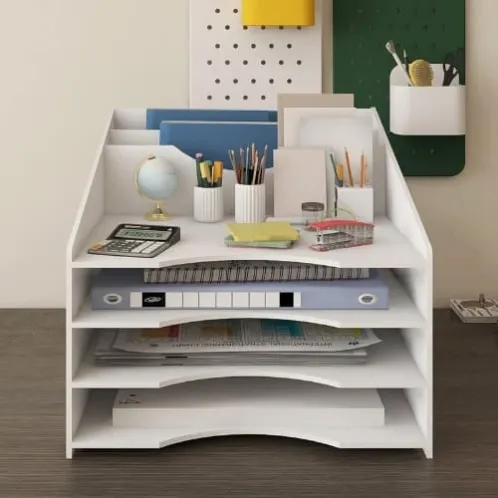
PVC shelves are often used for:
- Bathroom items
- Shoes
- Books
- Office documents
- Desktop supplies
- Toys
- Household storage boxes
- Small daily products
Different items create different pressure on the shelf. A bathroom rack holding toilet paper may not need the same strength as a bookshelf holding folders or books. A shoe rack for slippers may not need the same support as a shelf used for boots.
Based on our production experience, board thickness should match the real use scenario. If the board is too thin for the shelf height or width, the product may shake after assembly or bend under weight.
Buyers should not only ask, “How much weight can it hold?” A better question is: Is this board thickness suitable for this size and usage?
Why Slot Accuracy Depends on Board Thickness
Many PVC storage shelves use knock-down or slot-in structures. The panels are cut with slots and assembled without many tools or hardware.
For this structure, board thickness and slot accuracy must match each other.
If the slot is too wide for the board, the shelf may feel loose after assembly. If the slot is too tight, the end user may find it difficult to assemble the product. Both problems can lead to complaints.
One common sourcing mistake we often see is changing board thickness without adjusting the slot design. This may look like a small change, but it can affect the whole assembly experience.
For Amazon sellers and e-commerce buyers, this is especially important. End users usually judge the product during assembly. If the panels do not fit smoothly, they may leave a poor review before they even use the shelf.
Does Thicker Board Always Mean Better Quality?
Not always.
A thicker board can improve stability, but it also affects cost, carton weight, packaging size, and production efficiency. For some small storage products, using an overly thick board may not be necessary.
For example, a small desktop organizer does not need the same board thickness as a large bookshelf. A compact bathroom rack for toilet paper may need a different specification from a wide storage shelf used for books or files.
We usually recommend choosing board thickness based on product function, not only appearance. The right thickness should balance:
- Stability
- Load capacity
- Product size
- Shelf span
- Assembly fit
- Cost
- Shipping weight
- Target retail price
A reliable supplier should explain the reason behind the quotation, not only provide a price.
How Does Board Thickness Affect Price and MOQ?
Board thickness directly affects material cost. Thicker PVC board uses more material, so the unit price will usually be higher.
But price is not the only factor. Board thickness may also affect MOQ because it is connected to material preparation, production planning, and cutting efficiency.
MOQ may change depending on:
- Board thickness
- Board color
- Product size
- Cutting layout
- Number of panels
- Custom structure
- Packaging method
- Order quantity
For standard thickness and regular colors, MOQ is usually easier to arrange. For special thickness, custom color, or special surface finish, the factory may need to check material availability and preparation cost.
In our experience, buyers should not ask for the lowest price before confirming board thickness. Otherwise, different suppliers may quote based on different material standards, and the comparison will not be fair.
What Thickness Should Buyers Choose?
There is no single correct thickness for every PVC storage shelf. The right choice depends on the product design and intended use.
Before confirming thickness, buyers should consider:
- Is the shelf small or large?
- Is it tall or low?
- Is it narrow or wide?
- Will it hold light items or heavier items?
- Is it for bathroom, office, bedroom, or entryway use?
- Will it be sold online or through retail stores?
- Does the product need flat-pack packaging?
For small organizers, buyers may prioritize light weight and compact packaging. For bookshelves or multi-layer storage racks, buyers should pay more attention to support and shelf span.
If we were sourcing this product ourselves, we would ask the supplier to recommend thickness based on the drawing, product size, and target use, then test the sample with real items before mass production.
How Should Buyers Inspect Board Thickness?
Board thickness should be confirmed during sampling and checked again before mass production.
Buyers can request:
- Board thickness information in the quotation
- Sample confirmation before bulk order
- Product detail photos
- Measurement photos if needed
- Inspection standard before shipment
For larger orders, buyers can also include board thickness in the quality inspection checklist. This helps avoid misunderstandings between the approved sample and mass production goods.
Many buyers overlook this step because the difference may not be obvious in product photos. But after assembly, the difference can be clear. A slightly thinner board may change the feel, stability, and load performance of the shelf.
Packaging Also Changes with Board Thickness
Board thickness affects packaging more than many buyers expect.
Thicker panels may increase carton weight. Larger or heavier panels may require stronger cartons, better inner protection, or a different panel arrangement inside the package. For e-commerce orders, this becomes more important because products may go through parcel delivery instead of only pallet shipment.
Buyers should confirm:
- Carton size
- Gross weight
- Inner protection
- Panel arrangement
- Edge protection
- Whether the packaging suits parcel delivery
- Whether the packed sample has been approved
Good packaging is not only about protection; it also affects customer experience.
For Amazon and e-commerce projects, we usually recommend checking the packed sample together with the assembled sample. The assembled sample confirms product structure. The packed sample confirms whether the product can survive shipping and delivery.
Factory Recommendation
If you are comparing PVC storage shelf suppliers, do not compare prices before confirming board thickness.
We usually recommend buyers ask every supplier to quote based on the same product size, same board thickness, same packaging method, and same label requirement. Otherwise, the lowest quotation may not really be the best option.
If we were sourcing this product ourselves, we would first confirm three things: board thickness, slot fit, and packed sample. These details usually tell you whether the supplier understands production, assembly, and export packaging.
A small saving on material may become a larger cost later if the shelf feels unstable, bends under use, or arrives damaged after shipment.
Common Buying Mistakes
1. Comparing Photos Instead of Specifications
Two PVC shelves may look the same online, but the board thickness and structure may be different. Always compare full specifications.
2. Choosing Thin Board Only to Reduce Price
Thin board may reduce unit cost, but it can increase complaints if the product feels weak after assembly.
3. Changing Thickness Without Adjusting Slot Design
For knock-down PVC shelves, board thickness and slot size must match. If one changes, the other may also need adjustment.
4. Ignoring Real Use Testing
A shelf should be tested with real items, not only checked when empty.
What We Usually Recommend
For PVC storage shelf projects, we usually recommend confirming board thickness at the quotation stage, not after sampling. Once the thickness changes, the slot design, carton weight, packing method, cost, and sometimes MOQ may also change. Confirming this detail early helps buyers compare suppliers fairly and avoid revisions before mass production.
FAQ
Why is PVC board thickness important for storage shelves?
Board thickness affects shelf stability, load capacity, assembly fit, product feel, packaging weight, and final cost.
Does thicker PVC board always mean better quality?
Not always. The right thickness depends on product size, shelf span, intended use, target price, and packaging requirement.
Can board thickness affect assembly?
Yes. For slot-in PVC shelves, board thickness must match the slot design. If the slot is too loose or too tight, assembly problems may happen.
Should buyers test the shelf with real items?
Yes. Testing with real items such as books, shoes, documents, or bathroom products gives a better view of actual shelf performance.
Does board thickness affect MOQ?
Yes. MOQ may change if the buyer requires special thickness, custom color, or special material preparation.
Should board thickness be included in the quotation?
Yes. Buyers should ask suppliers to include board thickness in the quotation so price comparisons are fair and clear.
CTA
Before requesting a quotation, prepare your product size, target use, expected load, preferred board thickness, quantity, packaging requirement, and sales channel.
ANBO Display can review whether the PVC board thickness is suitable for your storage shelf design, including structure, slot fit, packaging, MOQ, lead time, and production cost before quotation.