Oct 20, 2026Buying Guides
5 Common PVC Storage Shelf Sourcing Mistakes Buyers Should Avoid
Learn five common mistakes buyers make when ordering PVC storage shelves, including unclear specifications, board thickness, slot accuracy, packaging, samples and mass production approval.

5 Common Mistakes Buyers Make When Ordering PVC Storage Shelves
Ordering PVC storage shelves looks simple from the outside. Buyers send a product photo, ask for a price, confirm a quantity, and wait for production. But in real sourcing work, many problems start before the order is placed.
In our experience, most issues are not caused by the product being difficult to manufacture. They happen because key details were not confirmed early: size, board thickness, slot fit, packaging, labels, or sample approval.
This guide explains five common mistakes buyers should avoid before ordering PVC storage shelves, racks, bookshelves, shoe racks, desktop organizers, or document holders.
Mistake 1: Asking for a Price Without Clear Specifications
Many buyers start with a photo and ask, “How much is this?”
A product photo is helpful, but it is not enough for an accurate quotation. PVC storage shelves may look similar online, but cost can change depending on:
- Product size
- PVC board thickness
- Number of layers
- Number of panels
- Slot structure
- Color
- Packaging method
- Barcode sticker requirement
- Instruction manual requirement
- Printed packaging
- Order quantity
If these details are not clear, the quotation may only be a rough estimate. Later, when the buyer confirms board thickness, packaging, or labels, the price may change.
If we were sourcing this product ourselves, we would prepare a simple specification before asking for a price: product size, intended use, board thickness if known, quantity, packaging requirement, and target sales channel.
A reliable supplier should explain the reason behind the quotation, not only provide a price.
Mistake 2: Comparing Only Unit Price
Low unit price is attractive, but it does not always mean lower total cost.
For PVC storage shelves, a lower price may come from:
- Thinner PVC board
- Lower board density
- Weaker slot structure
- Less accurate cutting
- Simpler packaging
- No instruction manual
- Lower carton strength
- Fewer quality checks
The product may look similar in photos, but the user experience can be very different after assembly.
Based on our production experience, buyers should compare full specifications, not only FOB price. A slightly higher unit price may be more reasonable if it includes stronger board, better packaging, clearer instructions, and more stable assembly.
A lower unit price does not always mean a lower total cost. If the product causes complaints, returns, damaged shipments, or poor reviews, the real cost becomes higher.
Mistake 3: Not Confirming Board Thickness and Slot Accuracy
For knock-down PVC storage shelves, board thickness and slot accuracy are closely connected.
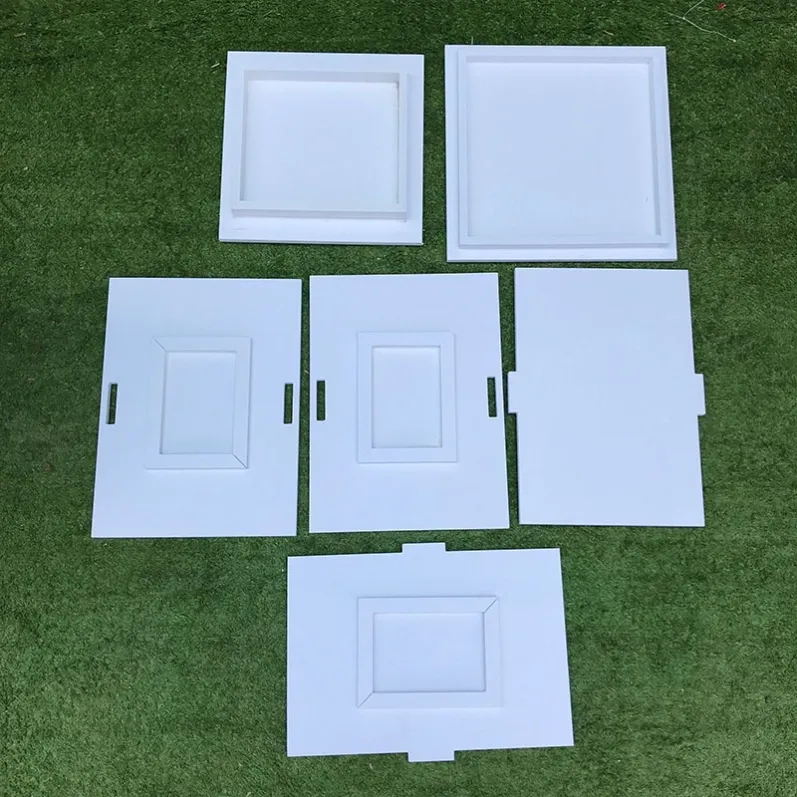
Many PVC shelves are assembled by inserting panels into matching slots. If the board thickness and slot width do not match, assembly problems may happen.
If the slots are too loose:
- The shelf may shake
- Panels may not hold firmly
- The product may feel weak
- Customer complaints may increase
If the slots are too tight:
- Assembly becomes difficult
- Edges may be damaged
- Panels may bend
- Customers may think the product is defective
One common sourcing mistake we often see is changing board thickness after sample approval without adjusting the slot design. This may look like a small change, but it can affect the whole product.
For Amazon sellers and e-commerce buyers, assembly quality is especially important. Customers judge the product during assembly. If the parts do not fit smoothly, the review may mention “poor quality” even if the material itself is acceptable.
Mistake 4: Treating Packaging as a Final Step
Packaging should not be discussed after production is finished.
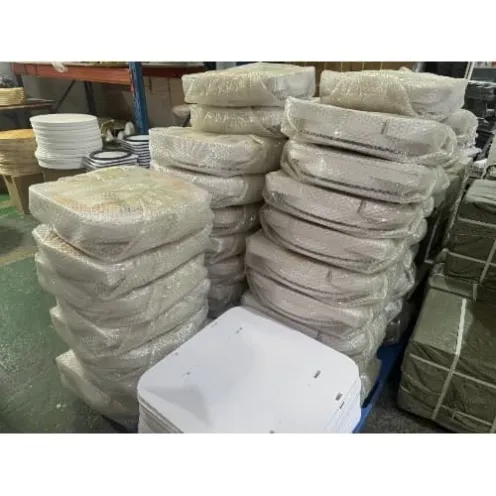
PVC storage shelves are usually flat-pack products. Panels need proper protection during export shipping, warehouse handling, and parcel delivery. If packaging is too weak, panels may be scratched, corners may be pressed, or labels may be damaged.
Buyers should confirm:
- Carton size
- Carton strength
- Inner protection
- Bubble foam protection
- Four-side or six-side protection if needed
- Panel arrangement
- Barcode sticker
- Instruction manual
- Carton marks
For Amazon and e-commerce orders, packaging should be checked for parcel delivery, not only container shipment. A carton that works for wholesale export may not be strong enough for single-piece delivery.
Good packaging is not only about protection; it also affects customer experience.
In our experience, many after-sales problems are packaging problems, not product problems. The shelf may be acceptable, but if the customer receives scratched panels, unclear instructions, or a damaged carton, the buyer still has a problem.
Mistake 5: Approving Product Photos Instead of Samples
Photos are useful, but they cannot replace sample testing.
Before mass production, buyers should approve:
- Product sample
- Assembled sample
- Packed sample
The product sample confirms size, color, board thickness, surface finish, and structure. The assembled sample confirms slot fit, stability, and real-use performance. The packed sample confirms carton strength, inner protection, labels, and instruction placement.
If buyers only approve photos, they may miss problems such as:
- Loose assembly
- Rough edges
- Wrong board thickness
- Weak stability
- Poor packaging
- Missing instruction manual
- Label placement errors
For PVC storage shelves, we usually recommend testing the assembled sample with real items such as shoes, books, bathroom products, documents, or desktop supplies. An empty shelf may look fine, but real use gives a clearer result.
If we were sourcing this product ourselves, we would never approve mass production before checking both the assembled sample and the packed sample.
What Buyers Should Confirm Before Ordering
Before placing an order, buyers should confirm the full product and packaging standard.
Important details include:
- Product size
- PVC board thickness
- Number of layers
- Slot structure
- Color
- Intended use
- Load requirement
- Assembly method
- Packaging method
- Carton strength
- Barcode sticker
- Instruction manual
- Carton marks
- MOQ
- Lead time
- Shipping method
This may look like many details, but it saves time later. Clear specifications help the supplier quote correctly, sample faster, and produce more consistently.
For OEM projects, drawings or dimension sketches are very useful. They do not need to be complicated, but they should show the main size, shelf spacing, and special structure.
Factory Recommendation
If you are ordering PVC storage shelves, do not treat the purchase as a simple price comparison.
We usually recommend buyers prepare a basic sourcing file before requesting a quotation. It can include product photo, size, intended use, quantity, board thickness requirement, packaging requirement, label files, and target sales channel.
Then ask the supplier to review whether the structure, board thickness, slot accuracy, packaging, MOQ, and lead time are practical for your project.
This gives both sides a clearer standard before sampling and production begin. It also reduces the risk of price changes, production delays, and after-sales problems.
Common Buyer Checklist
□ Product size confirmed
□ PVC board thickness confirmed
□ Slot fit and assembly tested
□ Packaging method confirmed
□ Barcode and instruction files prepared
□ Product sample and packed sample approved
FAQ
Why is a product photo not enough for quotation?
A photo does not show board thickness, slot accuracy, packaging method, carton strength, label requirements, or real product size. These details affect cost and quality.
Should buyers always confirm board thickness?
Yes. Board thickness affects stability, load capacity, slot fit, product feel, packaging weight, and price.
Why does slot accuracy matter?
Slot accuracy affects whether the product is easy to assemble and stable after assembly. Loose or tight slots can cause customer complaints.
Is packaging really part of product quality?
Yes. Weak packaging can cause scratched panels, pressed corners, damaged cartons, missing labels, and poor customer experience.
Should buyers approve a packed sample?
Yes. The packed sample confirms carton strength, inner protection, label placement, instruction manual, and shipping readiness.
What should buyers prepare before requesting a quotation?
Buyers should prepare product size, quantity, intended use, board thickness requirement, packaging requirement, label files, and target sales channel.
CTA
Before requesting a quotation, prepare your product photo or drawing, size, intended use, quantity, board thickness requirement, packaging requirement, barcode or instruction files, and target sales channel.
ANBO Display can review the structure, board thickness, slot fit, packaging method, MOQ, lead time, and export preparation before quotation. This helps both sides avoid unclear pricing, production changes, packaging delays, and quality problems before mass production.