Oct 12, 2026Buying Guides
Common Quality Checks Before Mass Production for PVC Storage Products
A practical quality-control guide for buyers sourcing PVC storage shelves, racks and organizers, covering samples, board thickness, slot accuracy, assembly, packaging, labels and pre-production checks
Common Quality Checks Before Mass Production
Before mass production starts, buyers should not only confirm the price and delivery date. The more important question is: has the supplier confirmed the product details that may affect quality, assembly, packaging, and customer complaints after shipment?
In our experience, many production problems are not caused by complicated technical issues. They happen because samples, board thickness, slot accuracy, packaging, labels, or instructions were not checked carefully before bulk production.
This guide explains the common quality checks buyers should confirm before producing PVC storage shelves, racks, desktop organizers, document holders, and other knock-down PVC storage products.
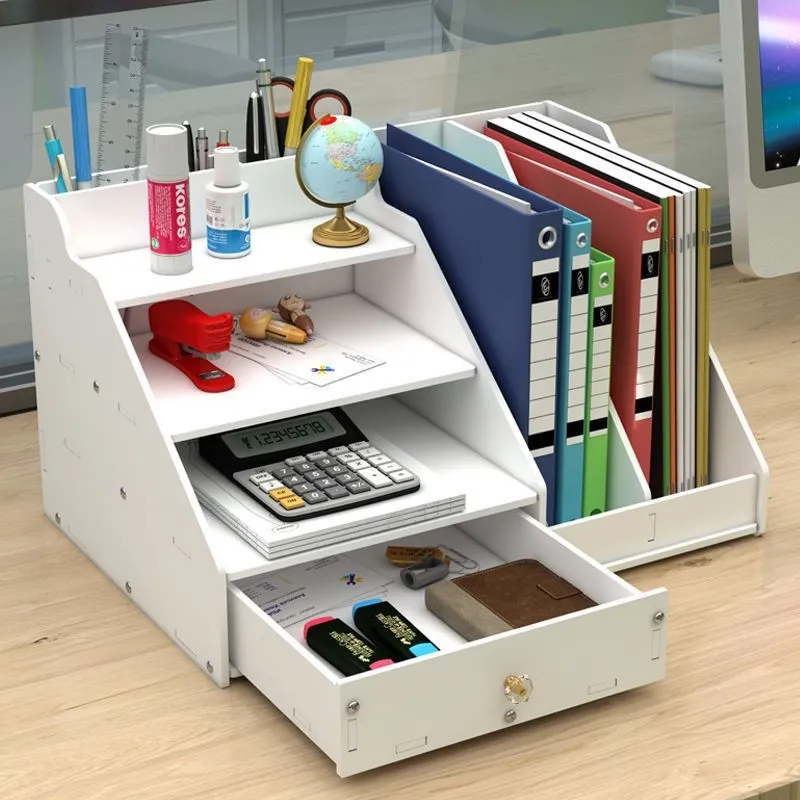
Has the Approved Sample Been Clearly Confirmed?
The approved sample should be the quality standard for mass production.
Before production starts, buyers and suppliers should confirm:
- Product size
- PVC board thickness
- Color
- Surface finish
- Slot structure
- Assembly method
- Packaging method
- Label requirements
- Instruction manual
- Carton marks
Many buyers approve a sample informally through photos or chat messages. This can create confusion later. If the sample is changed after approval, or if the supplier and buyer understand the standard differently, mass production may not match expectations.
We usually recommend keeping one confirmed sample at the factory and one with the buyer if possible. For OEM projects, the approved drawing and approved sample should match each other.
Is the PVC Board Thickness Correct?
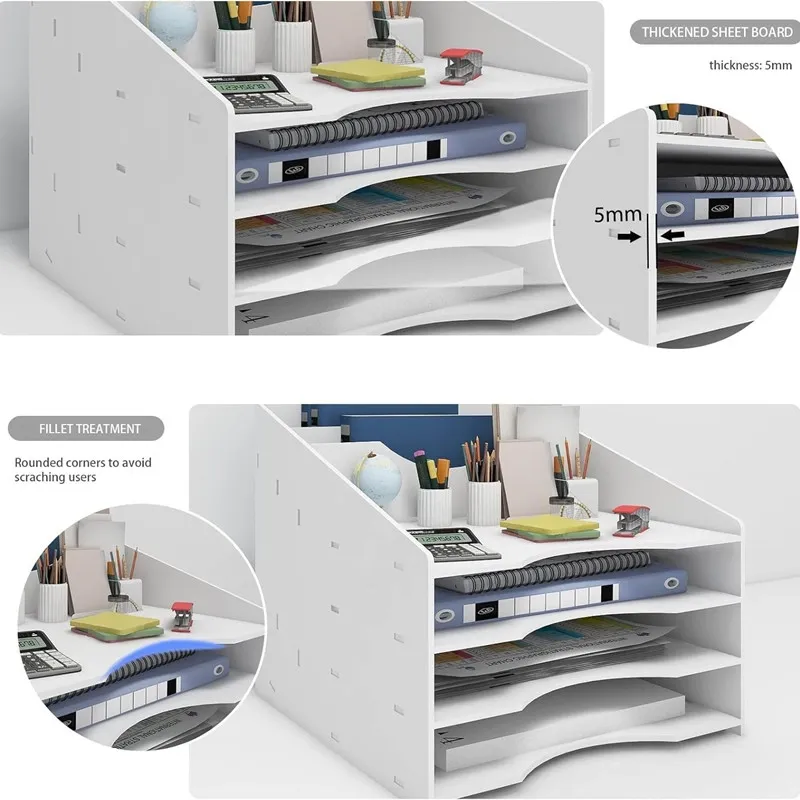
Board thickness is one of the first details to check before mass production.
For PVC storage products, board thickness affects:
- Product stability
- Load capacity
- Slot fit
- Assembly quality
- Product feel
- Packaging weight
- Unit cost
One common sourcing mistake we often see is comparing product size and price without confirming board thickness. Two products may look similar in photos, but the one using thinner board may feel weaker after assembly.
Before production, buyers should confirm the board thickness in the quotation, sample, and production standard. If the thickness changes, the slot design and packaging may also need to be reviewed.
A reliable supplier should explain the reason behind the quotation, not only provide a price.
Are the Slots Accurate and Easy to Assemble?
For knock-down PVC products, slot accuracy is one of the most important quality points.
Many PVC shelves, racks, bookshelves, shoe racks, and desktop organizers use slot-in structures. If the slots are too loose, the product may shake after assembly. If the slots are too tight, end users may struggle to assemble the product.
Before mass production, buyers should check:
- Slot width
- Slot depth
- Slot position
- Panel fit
- Assembly sequence
- Whether the assembled product stands firmly
Based on our production experience, slot accuracy should be checked together with board thickness. If one changes, the other may also need adjustment.
For Amazon and e-commerce products, this is especially important. Customers may not understand production tolerance. They only know whether the product is easy to assemble or not.
Has the Product Been Tested with Real Use Items?
An empty product can look acceptable, but real use may reveal problems.
PVC storage products should be tested with the items they are designed to hold:
- Bathroom racks: toilet paper, shampoo, shower gel
- Shoe racks: slippers, sneakers, boots
- Bookshelves: books, folders, storage boxes
- Desktop organizers: pens, notebooks, documents
- Document holders: A4 paper, letter-size paper, folders
- Storage shelves: household items or small boxes
If we were sourcing this product ourselves, we would not approve mass production only by checking an empty sample. We would place real items on the assembled product and check whether it feels stable, practical, and suitable for the target user.
This simple step can prevent many after-sales problems.
Is the Product Stable After Assembly?
Stability should be checked before production, not after shipment.
Buyers should check whether the product:
- Stands flat on the floor or desk
- Shakes after assembly
- Leans to one side
- Holds the intended items
- Has enough side support
- Has a suitable base width
- Feels secure during normal use
For tall products such as shoe racks, bookshelves, and bathroom racks, stability is more important. A design that looks slim and space-saving may become unstable if the base is too narrow.
Many buyers overlook this point because the product photo looks clean. But end users judge the product by daily use, not by the catalog image.
Are the Edges and Surface Finish Acceptable?
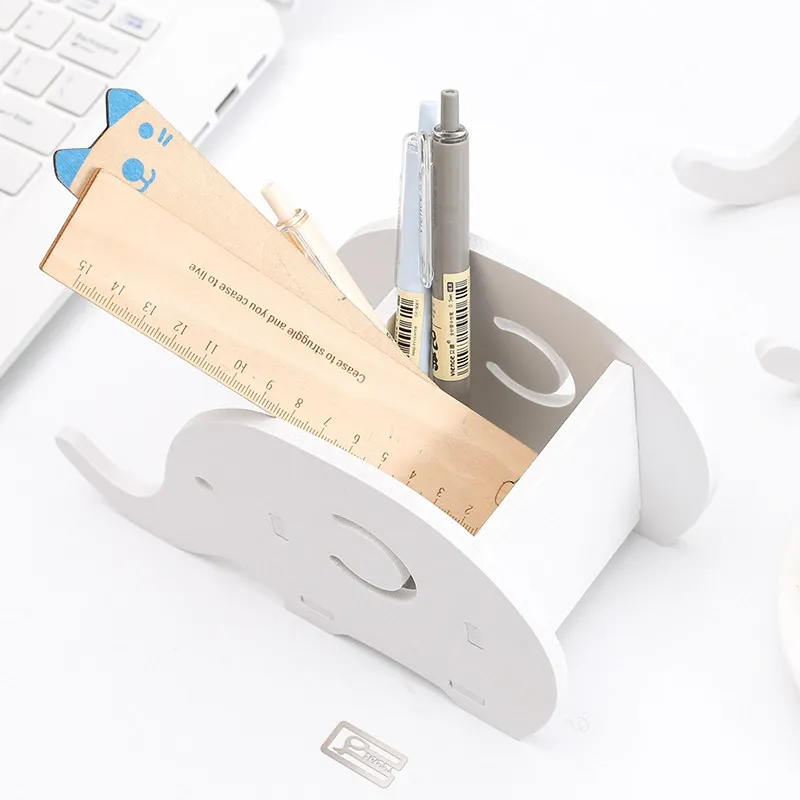
PVC storage products often have visible edges. Rough edges, burrs, scratches, or uneven surfaces can affect customer satisfaction.
Before mass production, buyers should confirm:
- Edge smoothness
- Surface scratches
- Color consistency
- Cutting quality
- Corner condition
- Whether visible parts look clean
This is especially important for white, light-colored, or smooth-surface PVC products, because small scratches or dirty marks may be easier to notice.
For retail and e-commerce products, surface appearance affects reviews. Even if the structure is acceptable, a product that looks poorly finished may still create complaints.
Is the Packaging Confirmed Before Production?
Packaging should be confirmed before mass production starts.
For PVC storage shelves and organizers, most products are packed flat. Flat-pack packaging saves space, but the panels still need protection. If packaging is too weak, panels may be scratched, pressed, or damaged during shipping.
Buyers should confirm:
- Carton size
- Carton strength
- Inner protection
- Bubble foam protection
- Four-side or six-side protection if needed
- Panel arrangement
- Edge protection
- Quantity per carton
- Gross weight
For Amazon and e-commerce orders, packaging should be checked for parcel delivery, not only bulk shipment. A carton that works for wholesale export may not be strong enough for individual delivery.
The packed sample is just as important as the product sample.
Are Labels, Barcodes and Instructions Ready?
Packing can be delayed if labels or instruction files are not ready.
Before mass production or packing, buyers should confirm:
- Barcode sticker
- Product label
- Carton mark
- Amazon FBA label
- Instruction manual
- Logo label
- Warning label if required
- Product identification information
For knock-down PVC products, the instruction manual is part of the product experience. If customers cannot understand how to assemble the product, they may leave poor reviews even if the product itself is acceptable.
In our experience, late barcode files or unclear instruction manuals are common reasons for packing delays. These details should be prepared before goods are ready.
Does the Packed Sample Match the Shipping Channel?
Different shipping channels need different packaging standards.
Wholesale shipment, container loading, Amazon FBA, and individual e-commerce parcel delivery do not have the same packaging requirements.
Buyers should consider:
- Will the product be shipped by container?
- Will it be sent to Amazon warehouse?
- Will it be delivered as a single parcel?
- Will the carton be stacked?
- Does the product need extra corner protection?
- Are barcode labels placed correctly?
For Amazon sellers, we usually recommend checking the packed sample before mass production. The product may be well made, but if the carton cannot survive parcel delivery, the buyer may still face returns or complaints.
Good packaging is not only about protection; it also affects customer experience.
Factory Recommendation
If you are preparing a PVC storage product for mass production, do not rely only on product photos or a verbal confirmation.
We usually recommend buyers confirm three things before production starts: the approved sample, the assembled test, and the packed sample. These three checks cover most practical risks.
If we were sourcing this product ourselves, we would never approve mass production before checking both the assembled sample and the packed sample. The assembled sample confirms product structure, slot fit, stability, and real-use performance. The packed sample confirms carton strength, inner protection, labels, instructions, and export readiness.
This step may look simple, but it can prevent expensive mistakes after production has already started.
Common Pre-Production Mistakes Buyers Should Avoid
1. Approving Only Product Photos
Photos are useful, but they cannot fully show board thickness, slot fit, assembly experience, or stability.
2. Forgetting to Confirm Board Thickness
Board thickness affects cost, structure, slot accuracy, and packaging weight. It should be confirmed before production.
3. Skipping Assembly Testing
For knock-down PVC products, assembly testing is essential. Flat panels alone do not prove the product works.
4. Leaving Packaging Until the End
Packaging affects carton size, protection, labels, shipping cost, and customer experience. It should be confirmed early.
5. Sending Label Files Too Late
Late barcode stickers, carton marks, or instruction manuals can delay packing and shipment.
What We Usually Recommend
For PVC storage product orders, we usually recommend creating a simple pre-production checklist for every project. It does not need to be complicated. Confirm product size, board thickness, slot fit, assembly, real-use testing, packaging, labels, and instructions before mass production. This gives both the buyer and factory a clear standard and reduces misunderstandings during production.
Quick Buying Checklist
□ Approved sample confirmed
□ PVC board thickness confirmed
□ Slot fit and assembly tested
□ Product tested with real items
□ Packed sample approved
□ Labels and instruction manual confirmed
FAQ
Why are quality checks important before mass production?
Pre-production checks help buyers confirm whether the product, structure, packaging, labels, and instructions match the approved standard before bulk production starts.
Should buyers approve an assembled sample?
Yes. For knock-down PVC products, buyers should approve the assembled sample because flat panels alone cannot show assembly fit or stability.
Why should board thickness be checked before production?
Board thickness affects product stability, load capacity, slot fit, unit cost, and packaging weight. It should be included in the quotation and production standard.
Is packaging part of quality control?
Yes. Packaging affects shipping damage, customer experience, labels, carton strength, and return risk. The packed sample should be checked before mass production.
What should Amazon sellers check before production?
Amazon sellers should check assembly experience, carton strength, barcode labels, instruction manuals, inner protection, and whether the packaging suits parcel delivery.
Can ANBO Display help review pre-production details?
Yes. ANBO Display can help review product structure, board thickness, slot accuracy, packaging, labels, instructions, MOQ, lead time, and export preparation before production.
- Link PVC Storage Shelves to the category page in the introduction.
CTA
Before confirming mass production, prepare your approved sample, product drawing, board thickness requirement, packaging details, barcode files, instruction manual, quantity, and target sales channel.
ANBO Display can review the product structure, slot fit, assembly quality, packaging method, labels, MOQ, lead time, and export preparation before production starts. This helps both sides reduce mistakes before the order moves into bulk production.