Oct 20, 2026Buying Guides
Flat-Pack vs Pre-Assembled Storage Shelves: Buyer’s Guide
Compare flat-pack and pre-assembled storage shelves from a sourcing perspective, including shipping cost, packaging, assembly, damage risk, MOQ, e-commerce suitability and buyer inspection points.
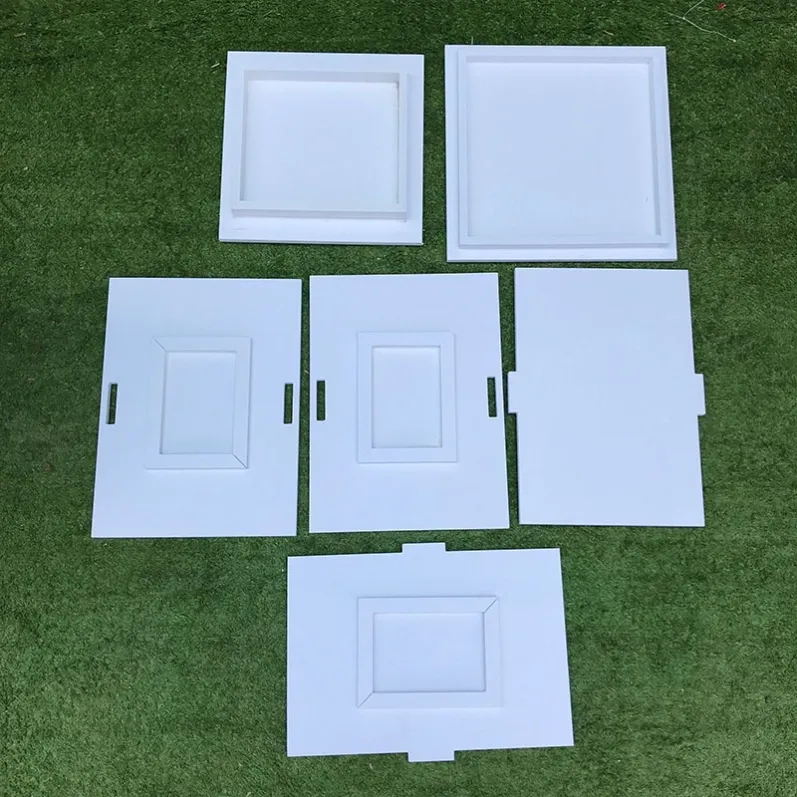
Flat-Pack vs Pre-Assembled Storage Shelves
If you are sourcing storage shelves, one important question should be confirmed early: should the product be shipped flat-packed or pre-assembled?
In our experience, many buyers compare shelf designs and unit prices first, but leave packaging format until later. This can create problems because flat-pack and pre-assembled shelves have very different effects on carton size, shipping cost, damage risk, assembly experience, and customer reviews.
This guide explains how buyers can choose the right packaging and assembly format before placing an order.
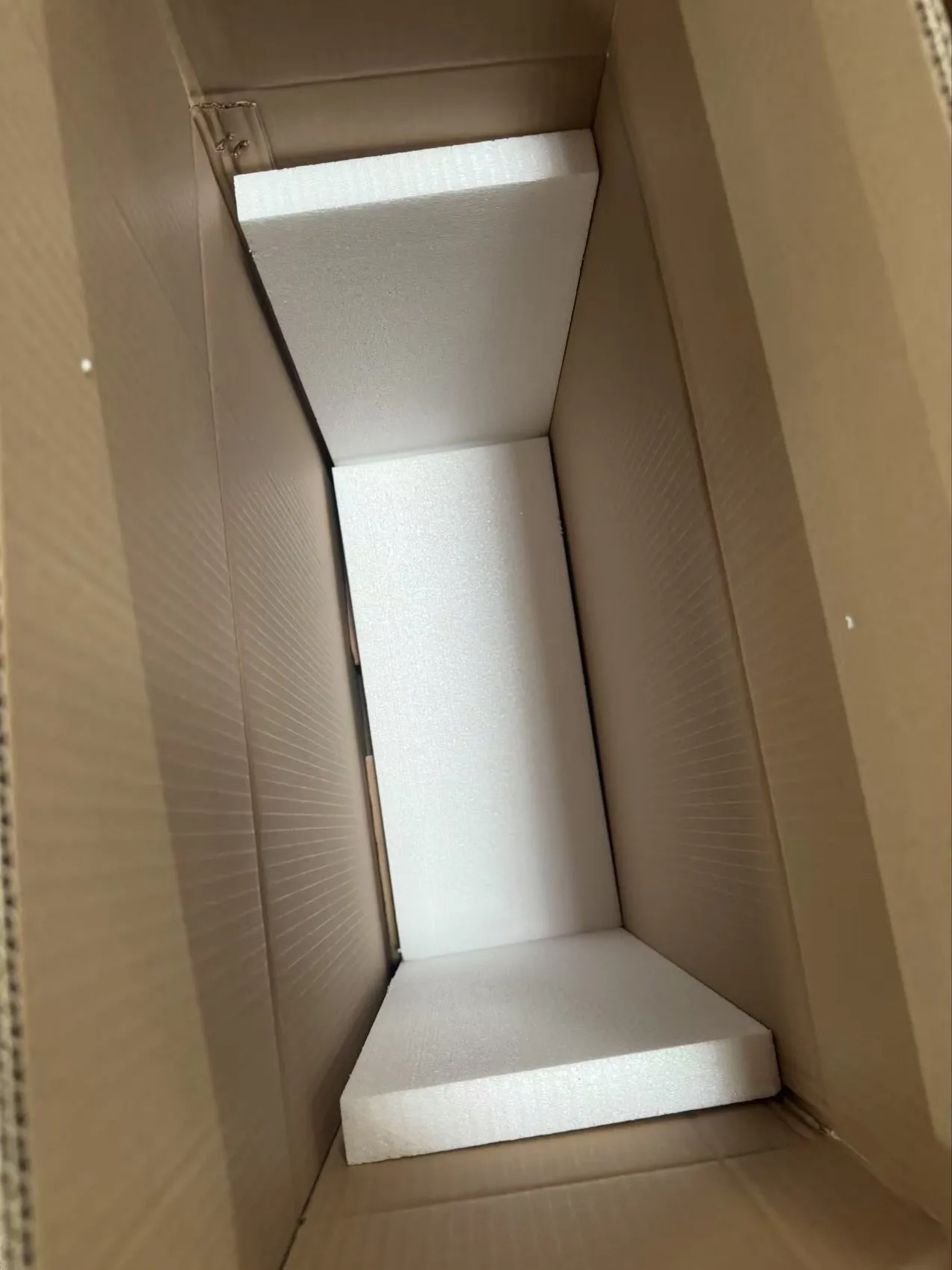
Which Option Fits Your Sales Channel?
The right choice depends on where and how the product will be sold.
Flat-pack storage shelves are usually suitable for:
- Amazon sellers
- E-commerce sellers
- Importers
- Wholesalers
- Retail brands
- Small-space home storage products
- Products shipped internationally
- Products with limited warehouse space
Pre-assembled shelves may be suitable for:
- Local retail display
- Premium furniture-style products
- Products that are difficult for end users to assemble
- Higher-priced items
- Local delivery or short-distance distribution
For PVC storage shelves, flat-pack packaging is usually more practical because the panels can be packed efficiently, carton volume is lower, and shipping pressure is easier to control. For heavy furniture-style shelves, pre-assembled packaging may be considered, but buyers should accept higher carton volume and stronger packaging requirements.
Why Flat-Pack Shelves Are Popular for Export
Flat-pack shelves are shipped as separate panels or components. The end user assembles the product after receiving it.
For export orders, this format usually offers several advantages:
- Lower carton volume
- Better loading quantity
- Easier warehousing
- Lower shipping pressure
- Easier barcode and label handling
- Suitable for e-commerce fulfillment
- Lower risk of large assembled products being crushed
For PVC bathroom racks, shoe racks, bookshelves, document holders, and desktop organizers, flat-pack packaging is often the most practical option.
Based on our production experience, flat-pack design should be considered during product development, not only after the product is finished. Panel size, slot structure, board thickness, instruction manual, and carton layout should work together.
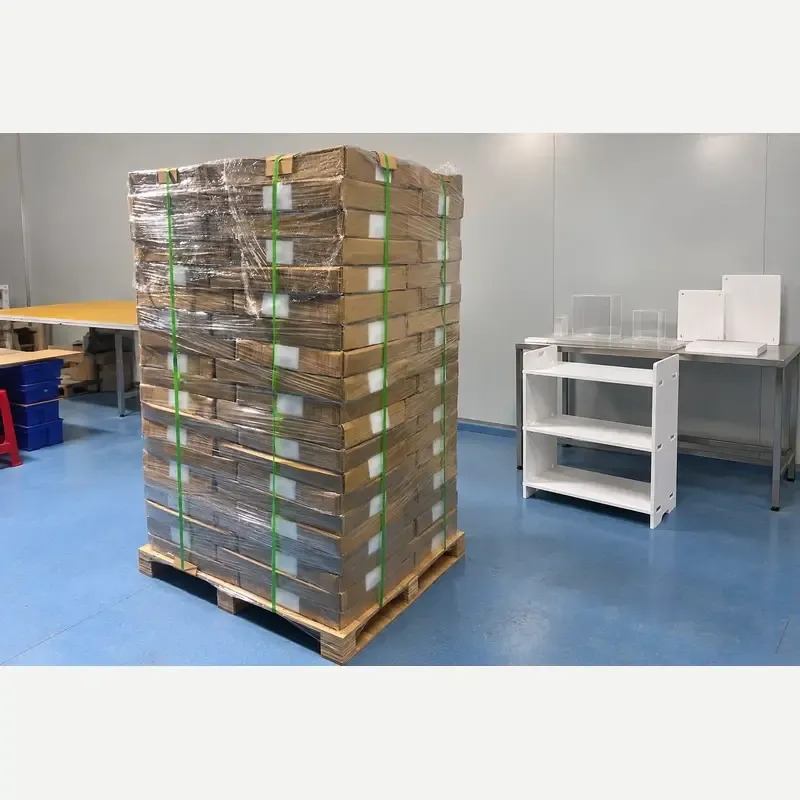
When Pre-Assembled Shelves May Make Sense
Pre-assembled shelves are shipped as finished or mostly finished products. The end user does not need to assemble much, or may not need to assemble anything at all.
This can be useful when:
- The product has a premium positioning
- The shelf structure is complicated
- The target customer does not want assembly
- The product is sold through local retail stores
- The selling price can support higher shipping cost
- Damage risk can be controlled through strong packaging
However, pre-assembled shelves usually require larger cartons. They may also need stronger inner protection, more warehouse space, and higher freight cost.
One common sourcing mistake we often see is choosing pre-assembled packaging because it seems more convenient for the customer, but not calculating the shipping volume carefully. A product may become much less competitive after freight cost is added.
Shipping Cost and Carton Volume
Shipping cost is one of the biggest differences between flat-pack and pre-assembled shelves.
Flat-pack shelves usually take less space. This helps buyers improve loading quantity and reduce storage pressure. For international shipments, this can make a real difference in total landed cost.
Pre-assembled shelves take more carton space because the product shape is already fixed. Even if the shelf itself is lightweight, the carton may contain a lot of empty space or require extra protection around the product.
Buyers should compare:
- Carton size
- Gross weight
- Quantity per carton
- Loading quantity
- Pallet or container efficiency
- Warehouse storage cost
- Parcel delivery cost
A lower unit price does not always mean a lower total cost. If one option has a larger carton volume, the final landed cost may be higher.
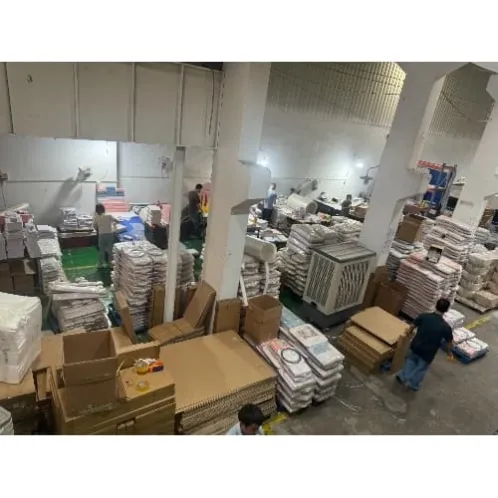
Assembly Experience for End Users
Flat-pack shelves depend on assembly experience.
If the product is easy to assemble, flat-pack can be very efficient. If the product is confusing, tight, loose, or poorly explained, it can quickly lead to complaints.
For knock-down PVC shelves, buyers should check:
- Slot accuracy
- Board thickness
- Panel fit
- Assembly sequence
- Part identification
- Instruction manual clarity
- Stability after assembly
For Amazon and e-commerce sellers, assembly experience matters more than many buyers expect. Customers may accept a simple product, but they do not accept parts that do not fit.
If we were sourcing this product ourselves, we would test the flat-pack sample like a real customer: open the carton, read the instruction manual, assemble the shelf, and place real items on it.
Damage Risk During Shipping
Both flat-pack and pre-assembled shelves can be damaged if packaging is not suitable, but the risks are different.
Flat-pack shelf risks include:
- Panel scratches
- Pressed corners
- Missing parts
- Damaged edges
- Panels moving inside the carton
- Instruction manual missing
Pre-assembled shelf risks include:
- Frame deformation
- Corner damage
- Larger carton crushing
- Surface scratches
- Joint damage during transport
- Higher return cost if damaged
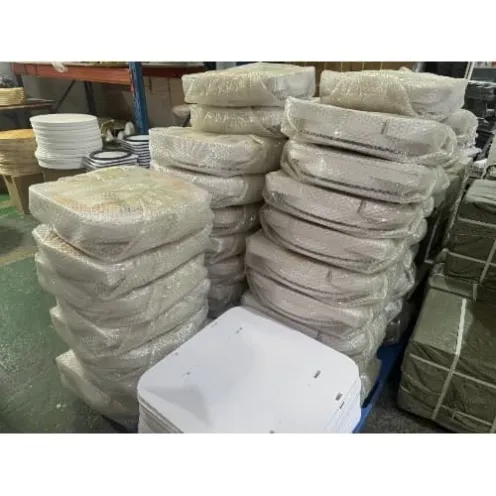
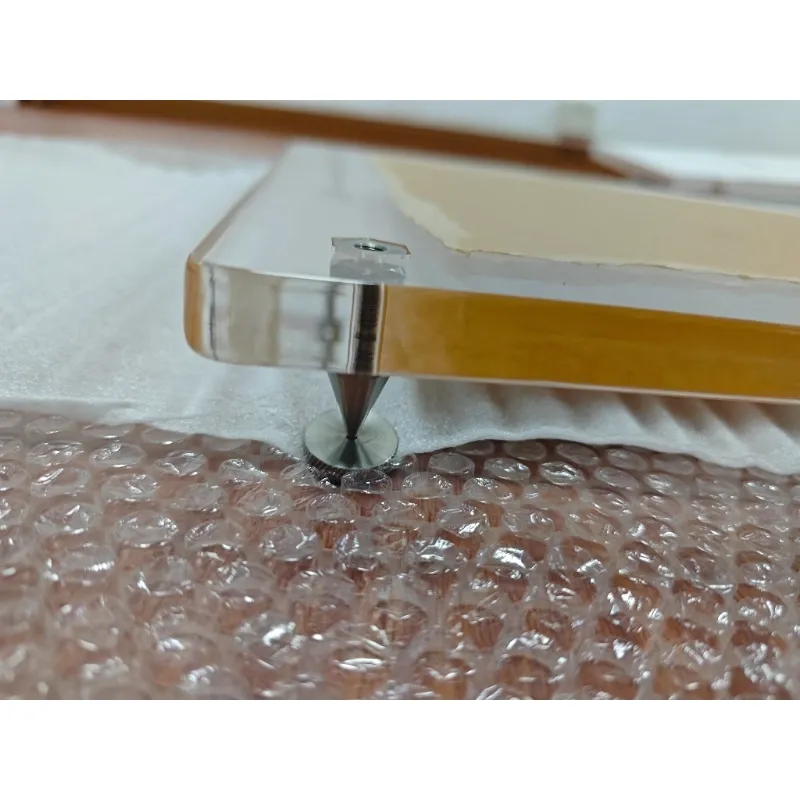
For PVC flat-pack shelves, ANBO Display usually recommends bubble foam protection, proper panel arrangement, and strong export cartons. Depending on the sales channel, four-side or six-side protection can also be considered.
For e-commerce delivery, packaging should be tested for parcel handling, not only container shipment.
MOQ and Production Efficiency
Packaging format can affect MOQ and production efficiency.
Flat-pack products are usually easier to arrange for export because panels can be cut, inspected, packed, and shipped efficiently. Standard flat-pack designs may also support more flexible MOQ.
Pre-assembled products may require more labor, more space, and more packaging material. They may also slow down packing speed and increase storage pressure before shipment.
MOQ may be affected by:
- Product size
- Board thickness
- Assembly method
- Packaging method
- Carton size
- Inner protection
- Label requirements
- Order quantity
- Production efficiency
In our experience, buyers should confirm packaging format before final quotation. If the product changes from flat-pack to pre-assembled, carton size, labor cost, packaging cost, and lead time may all change.
A reliable supplier should explain the reason behind the quotation, not only provide a price.
Which Option Works Better for Amazon and E-Commerce?
For Amazon and e-commerce, flat-pack shelves are usually easier to manage if the assembly experience is simple.
Flat-pack advantages for online sales include:
- Smaller parcel size
- Better warehouse efficiency
- Easier FBA preparation
- Lower shipping pressure
- Easier barcode placement
- Lower risk of bulky product damage
But flat-pack products must include clear instructions. The carton must also protect panels during individual delivery.
Pre-assembled shelves may reduce customer assembly work, but they usually increase parcel size and shipping cost. If damaged during delivery, replacement cost may also be higher.
For Amazon sellers, we usually recommend comparing the packed sample, not just the product sample. The packed sample shows whether the product is ready for FBA, courier delivery, and customer unboxing.
Factory Recommendation
If you are deciding between flat-pack and pre-assembled storage shelves, do not choose based only on customer convenience.
We usually recommend buyers compare the full sourcing picture:
- Product size
- Carton size
- Shipping cost
- Assembly difficulty
- Damage risk
- Packaging strength
- Warehouse handling
- Sales channel
- Target retail price
- Customer complaint risk
If we were sourcing this product ourselves, we would choose flat-pack for most PVC storage shelves, especially for export, Amazon, and e-commerce sales. But we would only approve it after testing assembly and packed sample protection.
Flat-pack is not just a packaging choice. It is a product design decision.
Common Buying Mistakes
1. Choosing Pre-Assembled Without Calculating Freight
Pre-assembled shelves may look easier for customers, but carton volume can increase total cost.
2. Choosing Flat-Pack Without Testing Assembly
Flat-pack only works well if users can assemble the product easily. Slot fit and instructions must be checked.
3. Ignoring Packed Sample Approval
The packed sample shows whether the product can survive shipping. Do not approve mass production only by checking the assembled product.
4. Treating Packaging as a Final Step
Packaging format affects cost, carton size, loading quantity, and production efficiency. It should be confirmed early.
What We Usually Recommend
For PVC storage shelf projects, we usually recommend planning the product structure and packaging method together. If the product is designed for flat-pack, the slot structure, board thickness, panel layout, carton size, and instruction manual should be confirmed before mass production. This avoids last-minute packaging changes and helps buyers compare quotations more accurately.
Quick Buying Checklist
□ Confirm sales channel
□ Compare carton size and shipping cost
□ Test flat-pack assembly
□ Check packed sample protection
□ Confirm labels and instruction manual
□ Request quotation with packaging format included
FAQ
Are flat-pack shelves better for export?
For many PVC storage shelves, yes. Flat-pack packaging usually reduces carton volume, improves loading quantity, and lowers shipping pressure.
Are pre-assembled shelves easier for customers?
Yes, but they usually require larger cartons and stronger packaging. Buyers should compare shipping cost and damage risk before choosing this option.
Is flat-pack packaging suitable for Amazon?
Yes, if the carton is strong enough and the assembly instruction is clear. Buyers should approve the packed sample before mass production.
What should buyers check for flat-pack shelves?
Buyers should check slot accuracy, board thickness, assembly sequence, instruction manual, carton strength, and inner protection.
Does packaging format affect price?
Yes. Flat-pack and pre-assembled products may have different labor cost, carton size, packaging material, shipping cost, and lead time.
Should buyers approve both product sample and packed sample?
Yes. The product sample confirms structure and function. The packed sample confirms protection, labels, instructions, and shipping readiness.
CTA
Before requesting a quotation, prepare your product size, target sales channel, preferred packaging format, quantity, assembly requirement, label files, and shipping method.
ANBO Display can review whether flat-pack or pre-assembled packaging is more suitable for your storage shelf project, including structure, carton size, assembly quality, packaging protection, MOQ, lead time, and export cost before quotation.