Aug 11, 2026Buying Guides
Best PVC Shoe Rack for Small Apartments: Sourcing Guide
A practical sourcing guide for buyers choosing PVC shoe racks for small apartments, covering size, structure, assembly, packaging, MOQ, quality checks and customization.
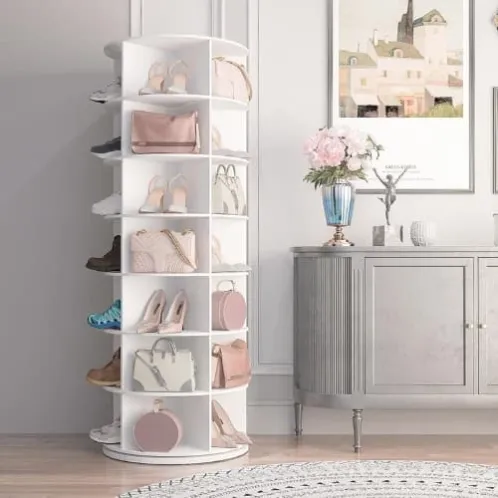
Best PVC Shoe Rack for Small Apartments: Buyer’s Guide
If you are sourcing PVC shoe racks for small apartments, the main question is not “which design looks best?” The better question is: which shoe rack is compact, stable, easy to assemble, well-packed, and suitable for your sales channel?
In our experience, small-apartment storage products often fail because of small details: unstable structure, poor shelf spacing, weak packaging, or difficult assembly. This guide helps importers, wholesalers, Amazon sellers, and retail brands choose a PVC shoe rack that is practical for compact living spaces.
What Type of PVC Shoe Rack Fits Small Apartments?
For small apartments, buyers should focus on space efficiency first.
A suitable PVC shoe rack should be:
- Compact
- Lightweight
- Easy to move
- Easy to assemble
- Stable after loading shoes
- Suitable for entryways, closets, dormitories, and rental apartments
- Packed efficiently for shipping
For this market, a simple multi-layer rack is usually more practical than a large furniture-style shoe cabinet. Many end users do not have enough space for a heavy enclosed cabinet. They need something narrow, functional, and easy to place near the door or inside a closet.
If your target buyers are Amazon customers, e-commerce shoppers, students, renters, or small-family households, a knock-down PVC shoe rack can be a good fit. If your market expects premium furniture with doors and drawers, then a PVC open shoe rack may not match the product positioning.
How Many Layers Should Buyers Choose?
Layer count should match both shoe capacity and product stability.
Common options include:
- 2-tier shoe racks for small entryways
- 3-tier shoe racks for daily family use
- 4-tier shoe racks for higher storage capacity
- Narrow vertical racks for very small spaces
- Wider racks for family shoes or retail bundles
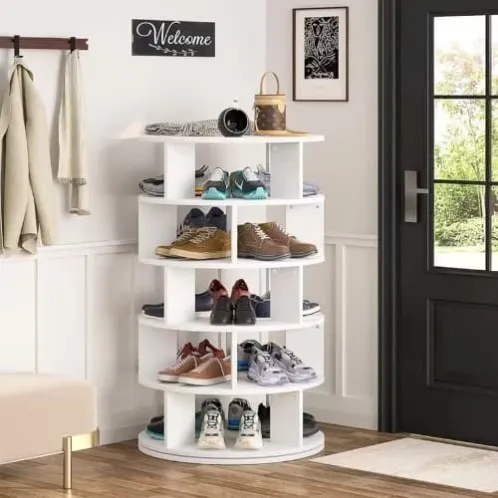
Many buyers ask for more layers because they want higher capacity. But more layers do not always mean a better product. A tall rack may look useful in photos, but if the base is too narrow, it may shake after shoes are placed on it.
Based on our production experience, we usually recommend balancing height, width, and shelf spacing. For small apartments, a 3-tier or compact 4-tier design is often easier to sell than a rack that is too tall and unstable.
Is the PVC Board Strong Enough?
PVC shoe racks are usually made from flat PVC panels. Board thickness and density directly affect how the product feels after assembly.
Buyers should confirm:
- PVC board thickness
- Panel density
- Surface finish
- Edge smoothness
- Slot accuracy
- Whether the board is suitable for daily shoe storage
A shoe rack does not need to hold very heavy items, but it still needs enough strength for daily use. Sneakers, slippers, children’s shoes, and casual shoes are usually light. Boots or heavier shoes may require stronger shelf support and better spacing.
One common sourcing mistake we often see is comparing only the product size and unit price. A lower price may come from thinner PVC board or weaker structure. The product may look similar online, but the user experience can be very different after assembly.
Will End Users Find It Easy to Assemble?
For small-apartment products, easy assembly is a major selling point.
Many PVC shoe racks use a knock-down structure. The panels are packed flat and assembled by inserting one panel into another. This type of structure reduces shipping volume and avoids too many screws or hardware parts.
For e-commerce buyers, assembly experience matters more than many people expect. If the end user cannot assemble the shoe rack smoothly, the product may receive poor reviews even if the material is acceptable.
Buyers should check:
- Are the slots cut accurately?
- Do the panels fit smoothly?
- Is the structure stable after assembly?
- Are parts clearly marked?
- Is the instruction manual easy to understand?
- Can the product be assembled without tools?
For Amazon sellers, we usually recommend testing the sample like a real customer. Open the package, follow the instruction manual, assemble the rack, and place real shoes on it. This simple test often reveals problems that product photos cannot show.
Does the Shoe Rack Fit Real Shoes?
A shoe rack should be checked with real shoe types, not only by shelf dimensions.
Small-apartment users may store:
- Slippers
- Sneakers
- Sandals
- Children’s shoes
- Casual shoes
- Boots
- Cleaning slippers
- Indoor shoes
Shelf spacing is important. If the spacing is too low, boots or high-top shoes may not fit. If the spacing is too high, the product may waste vertical space and reduce storage efficiency.
Many buyers overlook the difference between shoe capacity in photos and real use. A product may be described as holding many pairs, but the actual number depends on shoe size, shelf width, and spacing.
If we were sourcing this product ourselves, we would test the sample with at least three shoe types: slippers, sneakers, and taller shoes. This gives a more realistic view of product performance.
What Customization Options Are Useful for Buyers?
PVC shoe racks can be customized for different sales channels and target markets.
Common customization options include:
- Product size
- Number of layers
- Shelf spacing
- Color
- Surface pattern
- Logo label
- Barcode sticker
- Instruction manual
- Retail packaging
- E-commerce packaging
- Carton marks
For small apartments, color and appearance matter because the product is often placed near the entrance or inside visible living spaces. White, light gray, black, and wood-grain styles are common choices for simple home storage products.
For retail brands and Amazon sellers, packaging customization is also important. Barcode stickers, instruction manuals, product labels, and carton marks should be confirmed before mass production.
A reliable supplier should explain the reason behind the quotation, not only provide a price.
What Affects MOQ and Price?
MOQ and price depend on more than product size.
For PVC shoe racks, cost may be affected by:
- PVC board thickness
- Product dimensions
- Number of panels
- Number of layers
- Slot-cutting complexity
- Color selection
- Packaging method
- Barcode sticker requirement
- Instruction manual requirement
- Printed packaging
- Order quantity
For standard models, MOQ is usually more flexible because materials and production processes are already familiar. For custom sizes, colors, printed packaging, or private-label requirements, MOQ may change because of material preparation and packaging setup.
A lower unit price does not always mean a lower total cost. If the shoe rack uses thinner material, weak packaging, or unclear instructions, the buyer may face higher complaint or return costs later.
Is the Packaging Suitable for Export and E-Commerce?
PVC shoe racks are often suitable for flat-pack packaging. This is one of their main advantages for importers and online sellers.
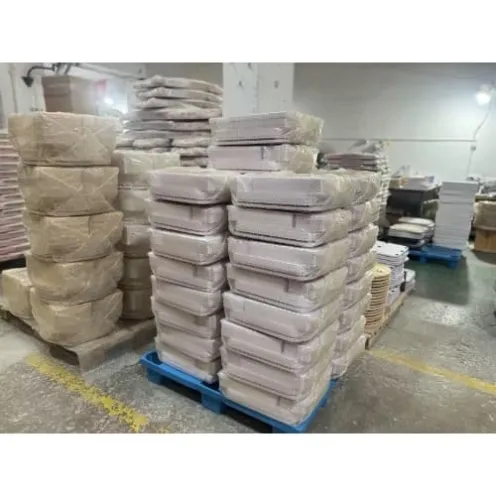
Flat-pack packaging can reduce carton volume, improve loading efficiency, and make storage easier. But good packaging is still necessary. PVC panels can be scratched, corners can be pressed, and parts can move inside the carton if packaging is too simple.
Buyers should confirm:
- Carton size
- Carton strength
- Inner protection
- Panel arrangement
- Edge protection
- Instruction manual placement
- Barcode label position
- Carton marks
For Amazon and e-commerce orders, packaging should be tested for parcel delivery, not only bulk shipment. A carton that works for wholesale export may not be strong enough for individual delivery.
Good packaging is not only about protection; it also affects customer experience.
Factory Recommendation
If you are sourcing PVC shoe racks for small apartments, do not choose the tallest or cheapest design too quickly.
We usually recommend buyers first confirm the real use scenario: entryway, closet, dormitory, rental apartment, or online home storage category. Then check the product size, layer count, shelf spacing, PVC board thickness, assembly method, and packaging.
If we were sourcing this product ourselves, we would approve both the assembled sample and the packed sample before mass production. The assembled sample shows whether the rack is stable and practical. The packed sample shows whether the product can survive export shipping or parcel delivery.
These two checks usually prevent many problems before shipment.
Common Buying Mistakes
1. Choosing Too Many Layers
More layers may look better in photos, but a tall and narrow rack can be unstable. Balance capacity with stability.
2. Comparing Only Unit Price
Low price may come from thinner PVC board, weaker packaging, or less accurate cutting. Compare full specifications.
3. Ignoring Real Shoe Sizes
Shelf spacing should be checked with real shoes, not only product dimensions.
4. Treating E-Commerce Packaging Like Wholesale Packaging
Parcel delivery needs stronger protection than pallet or container shipment.
What We Usually Recommend
For small-apartment shoe rack projects, we usually recommend starting with a compact 3-tier or 4-tier design before developing larger models. This helps buyers test market demand, control packaging size, and reduce assembly complaints. Once the first model sells well, it is easier to expand into wider racks, taller racks, or private-label product series.
FAQ
What type of PVC shoe rack is best for small apartments?
A compact, lightweight, knock-down PVC shoe rack is usually suitable for small apartments. A 3-tier or compact 4-tier design often balances capacity and stability well.
Can PVC shoe racks hold boots?
Some designs can hold boots if the shelf spacing is high enough. Buyers should confirm layer spacing before ordering.
Are PVC shoe racks easy to assemble?
Yes, if the slot cutting is accurate and the instruction manual is clear. Buyers should test the sample before mass production.
Can PVC shoe racks be customized?
Yes. Size, layers, color, shelf spacing, logo labels, barcode stickers, instruction manuals, and packaging can usually be customized.
What affects the MOQ?
MOQ depends on product size, board thickness, color, customization level, packaging method, and order quantity.
Is flat-pack packaging suitable for Amazon sellers?
Yes. Flat-pack packaging is suitable for Amazon and e-commerce sellers, but the carton and inner protection should be strong enough for parcel delivery.
CTA
Before requesting a quotation, prepare your target market, expected product size, layer count, quantity, packaging requirement, and whether you need logo labels or private-label packaging.
ANBO Display can review the structure, PVC board thickness, assembly method, MOQ, lead time, and packaging details before quotation. This helps both sides confirm whether the shoe rack is practical for small-apartment use and suitable for your sales channel.